
What Iryna’s Law Means for Law Enforcement and Correctional Mental Health Care
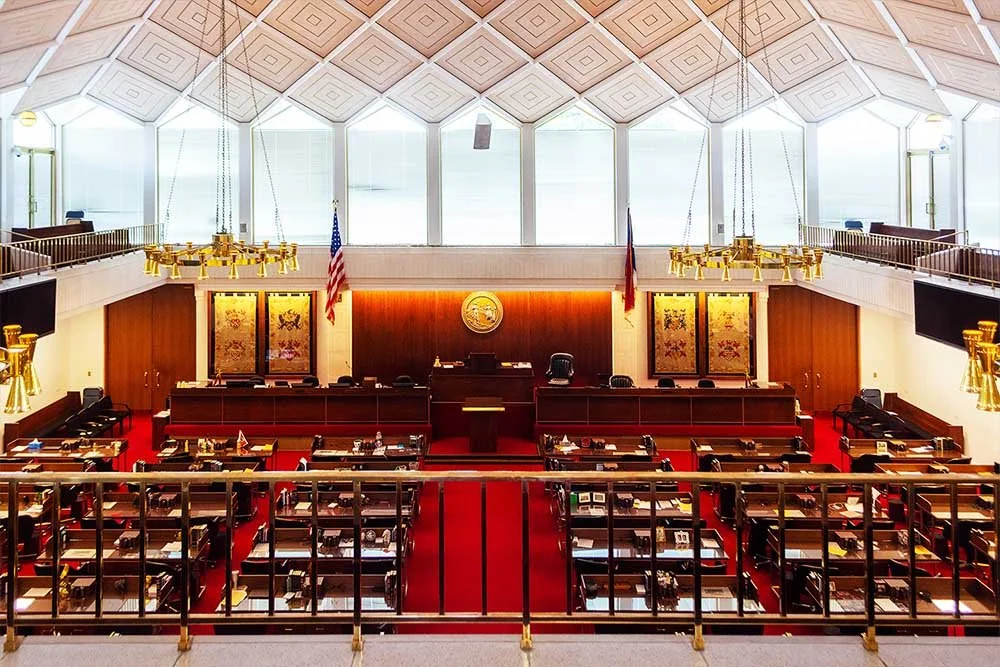
North Carolina State House of Representatives Chamber (Adobe Stock)
What is “Iryna’s Law”
Iryna’s Law was recently enacted in response to a tragic act of violence that brought to light systemic failures in identifying and responding to serious mental illness. Iryna Zarutska was killed by an individual with significant, untreated mental health needs who had prior contact with systems meant to recognize and address these issues. Her death brought painful clarity to the consequences of delayed, inadequate, or absent mental health evaluation—particularly when warning signs are present. North Carolina responded by strengthening requirements for timely assessment by qualified mental health professionals.
Why This Matters
While the law applies within North Carolina, it reflects a broader national shift toward accountability and prevention, setting an important precedent for how jurisdictions across the country approach mental health and the role of custody. Iryna’s Law emphasizes a critical need for law enforcement agencies and correctional facilities to ensure timely, competent mental health evaluation for individuals in custody.
Using a Community Mental Health Provider
Using community mental health providers for this level of work can create unintended issues. Many community agencies do important work, but they are not designed to operate in custodial settings or to assess individuals at this level of acuity. They generally lack forensic training, familiarity with constitutional standards of care, and experience documenting evaluations that may later be scrutinized in court. In addition, many do not carry malpractice or civil rights liability coverage appropriate to correctional work, which can leave the contracting agency exposed.
Next Steps You Can Take
Freedom Behavioral Health, Inc. (FBH) can support agencies in meeting this mandate by offering both in-person and telehealth mental health evaluations, allowing for immediate access despite geography, staffing constraints, or time of day. Our clinicians routinely work with individuals who present with severe mental illness, substance use disorders, and elevated potential for violence or injury, and they are experienced in the realities of custodial settings.
Whether on-site or through secure telehealth platforms, our evaluations are timely, clinically sound, and focused on practical decision-making regarding potential for suicide and violence, and continuity of care. Our teams understand the security, documentation, and legal standards that apply in correctional environments and work within those parameters each day.
Partnering with FBH allows agencies to meet the intent of Iryna’s Law in a way that is clinically appropriate, operationally realistic, and legally defensible, while supporting officers and protecting individuals in custody.
If you have any questions about the next steps your facility should take, contact us today.