
Diversion and Recidivism Reduction Services for Mental Health
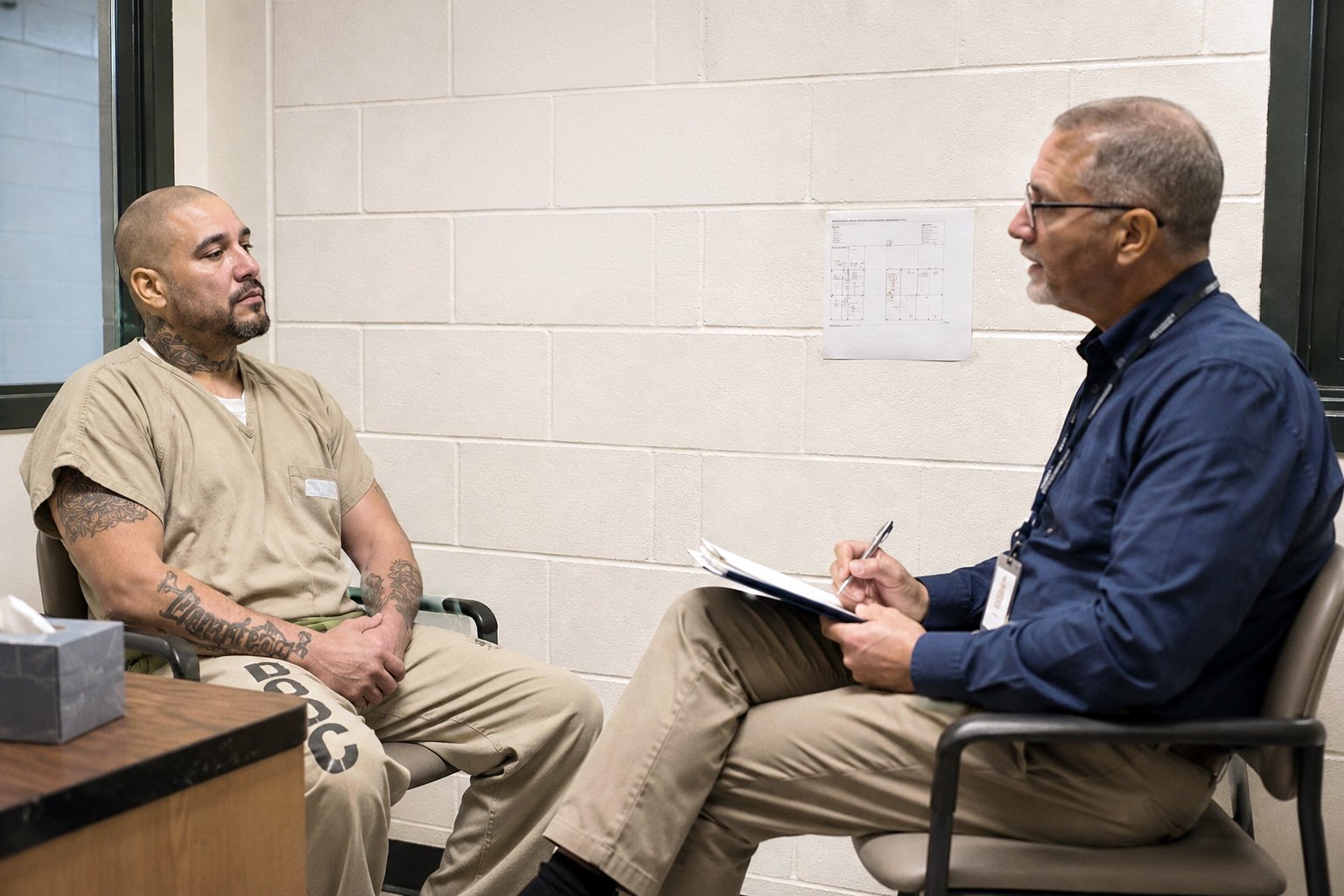
Across the United States, local justice systems are increasingly encountering individuals whose involvement in the criminal justice system is closely connected to untreated mental health conditions or substance use disorders. Without appropriate interventions, these individuals may cycle repeatedly through law enforcement contact, jail stays, and emergency services. Diversion and recidivism reduction programs aim to address these underlying behavioral health needs while supporting public safety and responsible system management.
Understanding Behavioral Health Diversion
Diversion programs seek to identify individuals whose behavioral health needs may be contributing to repeated justice involvement and connect them with appropriate evaluation, supervision, and community-based support services. Diversion initiatives do not replace accountability within the justice system. Instead, they provide structured approaches that may help courts, law enforcement agencies, and correctional facilities respond to behavioral health needs in ways that support both safety and long-term stability. Common goals of diversion programs include addressing underlying mental health or substance use concerns to reduce repeated arrests or incarceration, improving coordination between justice and healthcare systems, and supporting community reintegration.
Mental Health and Substance Use Courts
Mental health courts and substance use courts are specialized court programs that provide structured supervision and treatment coordination for eligible participants. These courts typically involve collaboration between:
Behavioral Health Providers
Judges
Probation or Community Supervision Staff
Prosecutors and Defense Attorneys
Treatment Providers
Participants may receive behavioral health assessments, treatment referrals, and ongoing monitoring while remaining under judicial supervision. These programs aim to address underlying behavioral health conditions while maintaining accountability within the justice system.
Co-Responder Teams: Law Enforcement and Behavioral Health Collaboration
Co-responder programs place behavioral health professionals alongside law enforcement personnel during field responses involving individuals experiencing behavioral health crises. In these models, behavioral health clinicians may assist officers by conducting behavioral health assessments in the field, helping determine appropriate next steps, and coordinating referrals to community services as appropriate.
Fit for Confinement Evaluations
Correctional facilities must sometimes determine whether an individual is appropriate for confinement within a jail environment based on behavioral health or medical considerations. Fit for confinement evaluations involve a structured clinical review to assess whether behavioral health conditions may affect an individual’s ability to safely remain in custody. These evaluations may consider factors such as acute psychiatric symptoms, cognitive impairments, substance withdrawal risks, and behavioral stability. The goal of these evaluations is to assist facilities and courts in making informed decisions while documenting the clinical considerations involved.
Discharge Planning
The transition from custody back into the community can be a high-risk period for individuals with behavioral health needs. Discharge planning services help coordinate care and resources prior to an individual’s release. Discharge planning can include connecting individuals with community behavioral health providers, coordinating medication continuity when applicable, identifying housing or support services, and/or providing information on available treatment resources. Effective discharge planning helps ensure individuals leave custody with information and referrals that may support continued stability.
Community Outreach and Coordination
Diversion and recidivism reduction initiatives often require collaboration between multiple community partners. Community outreach efforts help establish communication and coordination between:
Behavioral Health Providers
Community Treatment Organizations
Correctional Facilities
Courts and Probation Departments
Law Enforcement Agencies
By strengthening these partnerships, agencies can create more consistent referral pathways and improve coordination when individuals move between systems of care.
Learn More About FBH’s Diversion and Recidivism Reduction Services
Freedom Behavioral Health, Inc. (FBH) works with correctional partners to support diversion initiatives, behavioral health coordination, and reentry planning strategies tailored to the needs of local communities. To learn more about these diversion and recidivism reduction services, contact our team today.